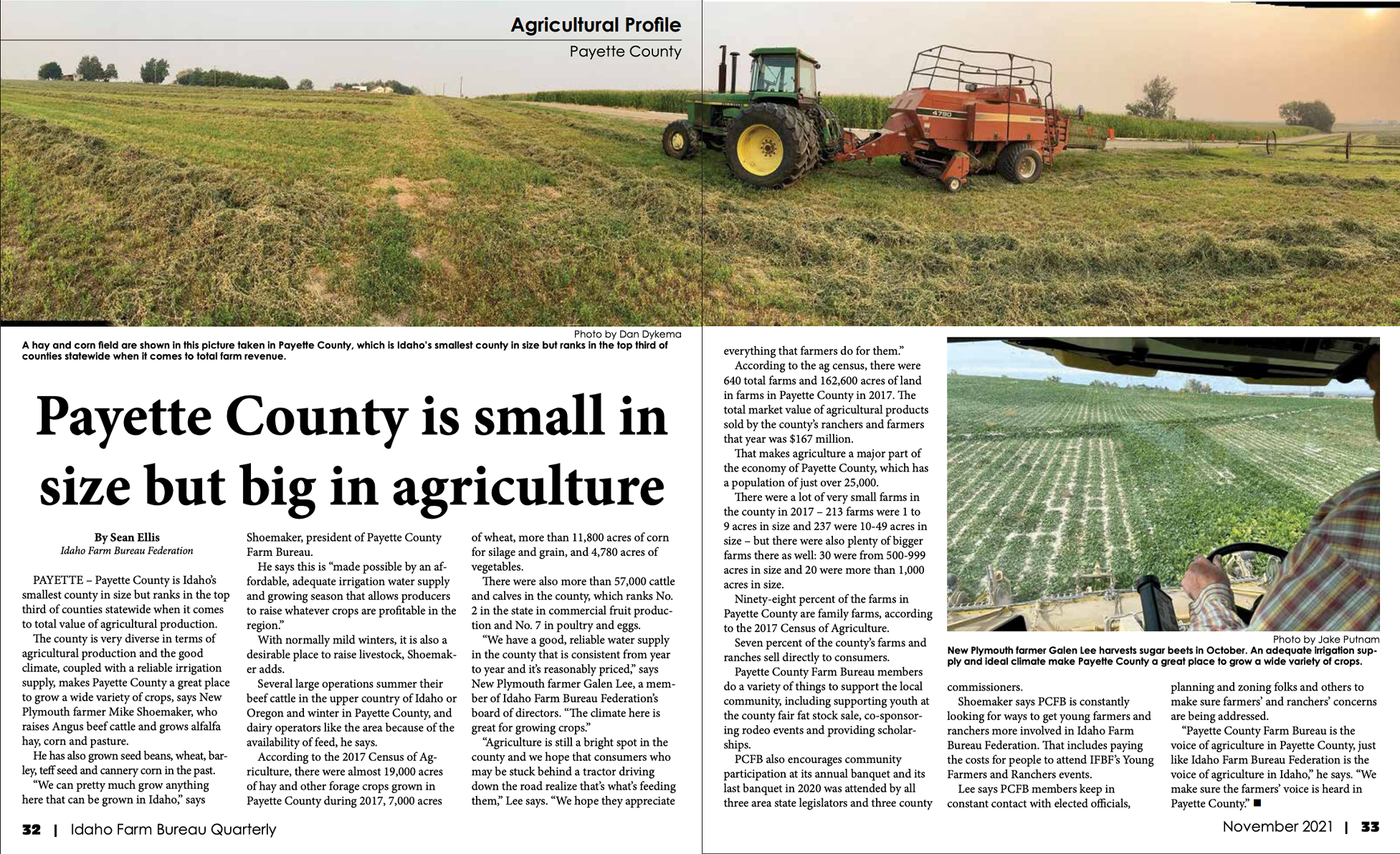
• This local news article, written by Sean Ellis and photos taken by Jake Putnam, highlights a small, rural county in Idaho while also underscoring the impact it has on agronomics.

    Typeface

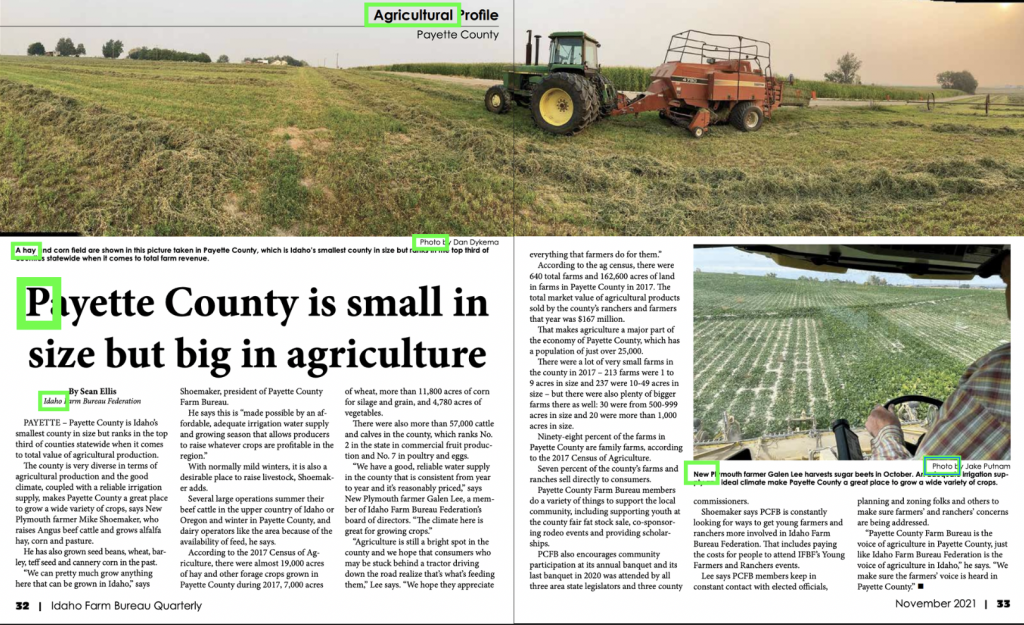
    The contrasting typeface employed here furnish greater distinction between the varying captions by using a sans-serif type font; and the actual heading and body font, which are easy-to-read-in-print: serif font. The originator expertly pairs the serif fonts as both header and body font but creates a bolder and larger font for the header, bringing out the strong differences in these sections while distinctly expressing the differences between taglines and credits via using simple sans-serif and italicize sans-serif for this article.

    Contrasting Elements
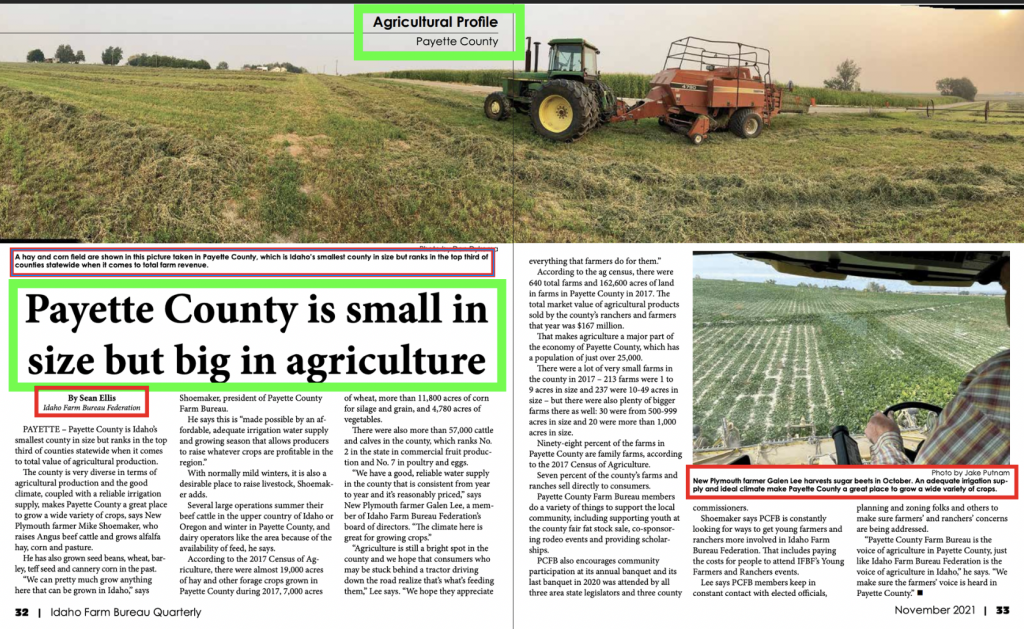
    The bold, large header of this article immediately draw the eye against the smaller font of the body. There is great contrast where the photo captions are in a simple sans-serif but in bold and the credits are in a larger but lighter font weight or italics which and helps to draw the eye to those areas as different but also contrasting to the rest of the body text.

    Leading Lines
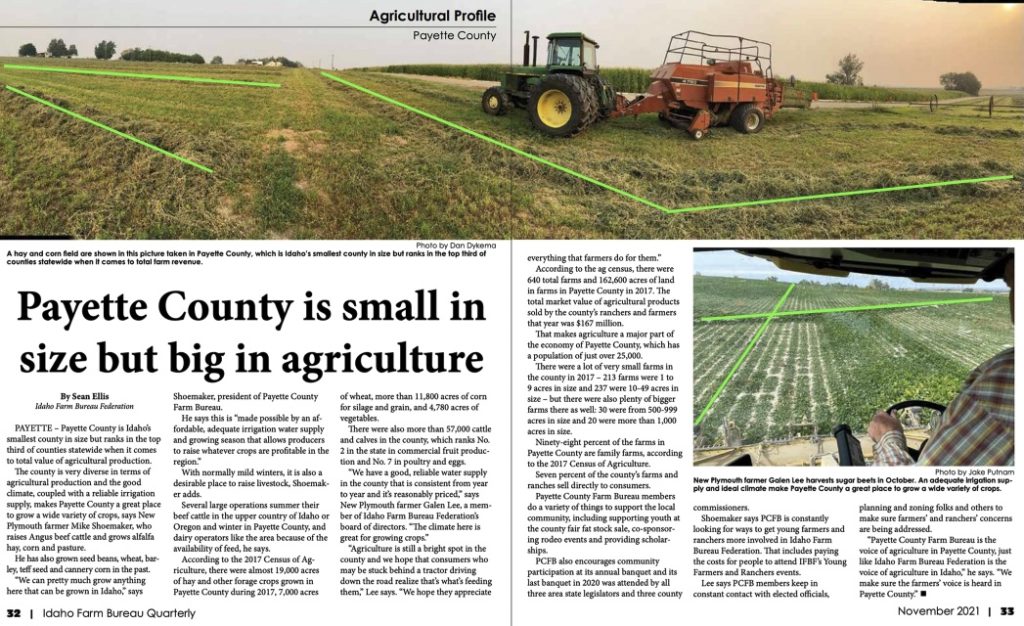
    Putnam utilizes straight or leading lines of both the row crop and the windrows, boldly showing contrast against the surrounding vegetation and pulling the viewers attention to the stark lines all while utilizing depth where he takes one picture looking up a hill and the other one looking down at the field from the cab of a swather, allowing the image to contrast with differing angles and giving a better perspective of the straight lines of these crops.

    Photography

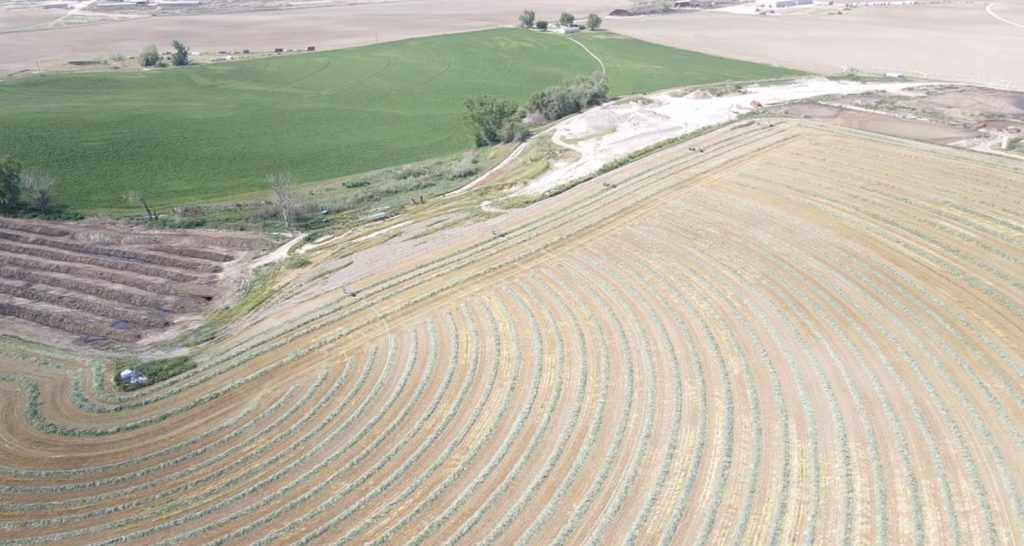
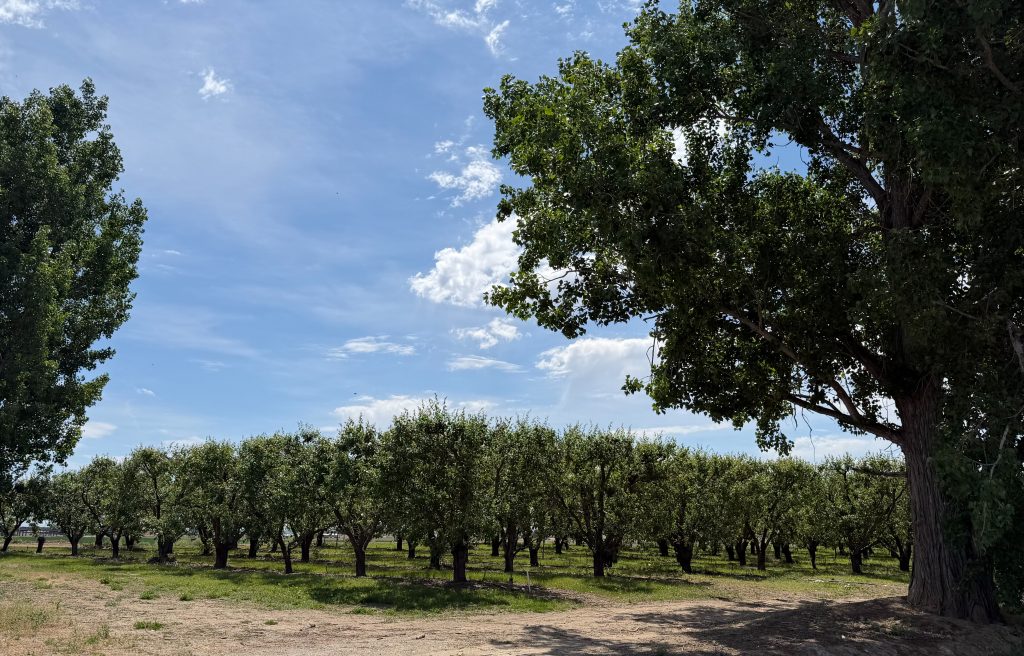
    Here are three images which could be used in place of the photos of the above article. Each of these images using differing depth and leading lines which are striking and capture the attention of the viewer.
    Conclusion

    The first image gives a drone view of the distinct leading lines of the downed field with it’s windrows arching against the strait lines of both the outside round of the field and the surrounding fields and their straight lines.

    This apple orchard is offset by two large cottonwoods on either side and the leading lines, while more subtle are the straight rows the orchard is planted in and which come to a distinct point. They are emphasized by the road on either side of the grove, framed by the trees on either side.

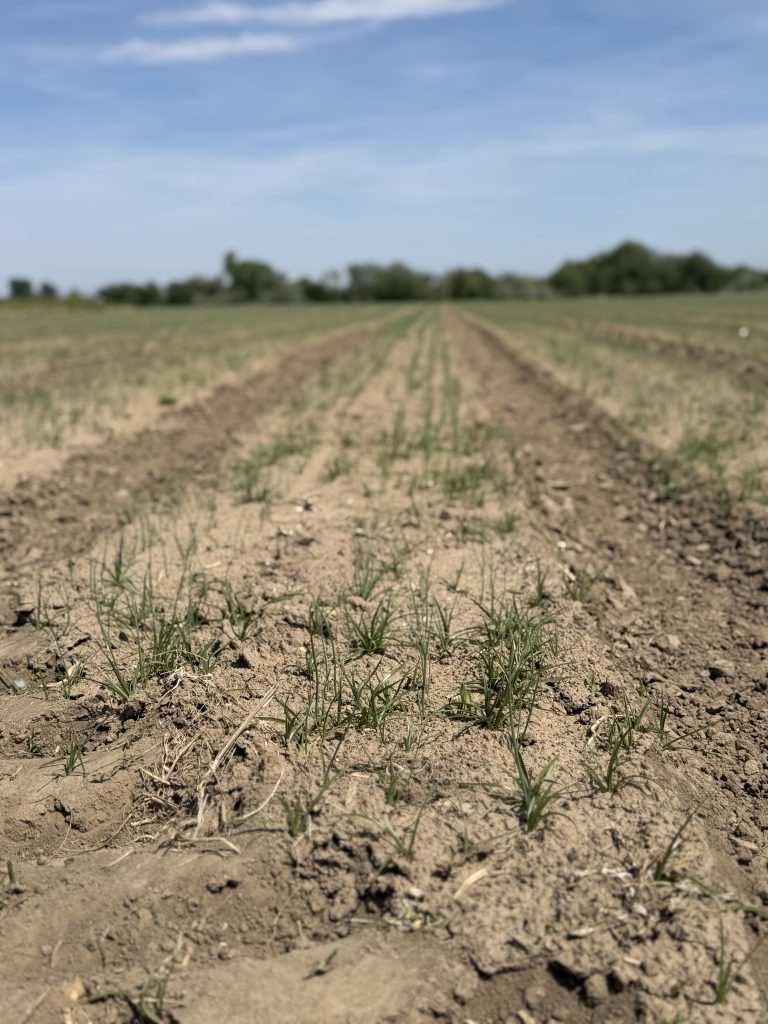
    Lastly, we have a field which is planted in straight rows and the tree-laden horizon behind the field, giving us the opposing leading-lines bringing the row crop into focus at the bottom-center of the photo.

    Each of these images contribute to the over-all-design of a small agricultural area that thrives on a diversity of agronomics, helping to sustain the world.
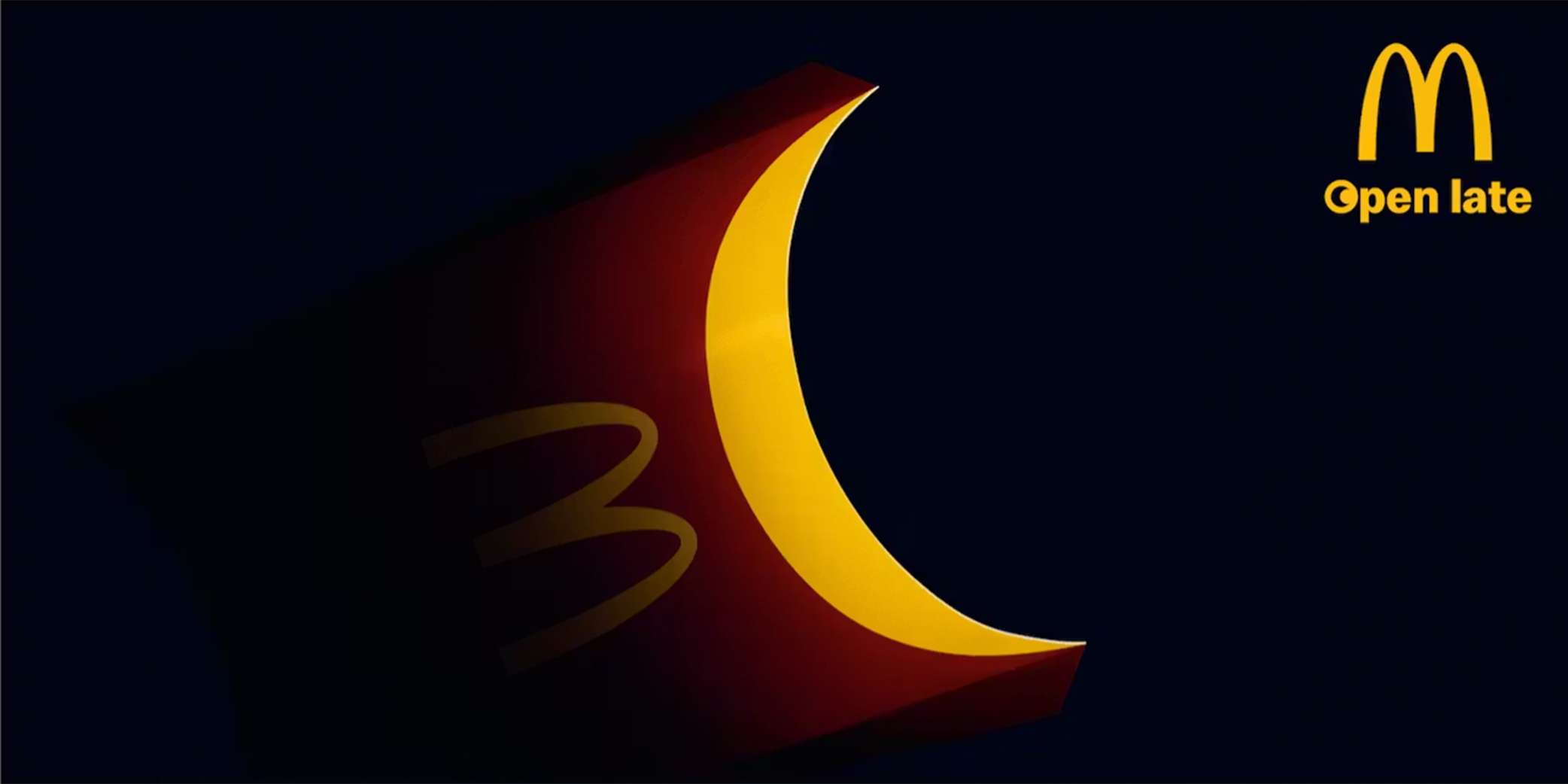
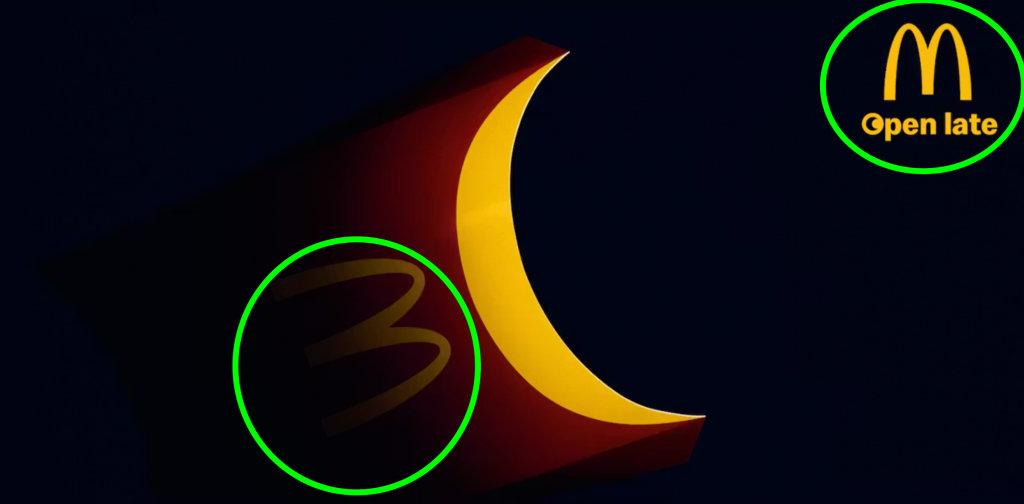
  • Open late ad by Leo Burnett created in 2020 for McDonalds in Italy

    This visually striking advertisement for McDonalds, created by Leo Burnett, promotes their late-night service using a minimalistic design. This ad transforms a familiar product – the fries container – into a crescent moon, strengthening the “open late” message without relying on extensive text.

    Alignment and Proximity

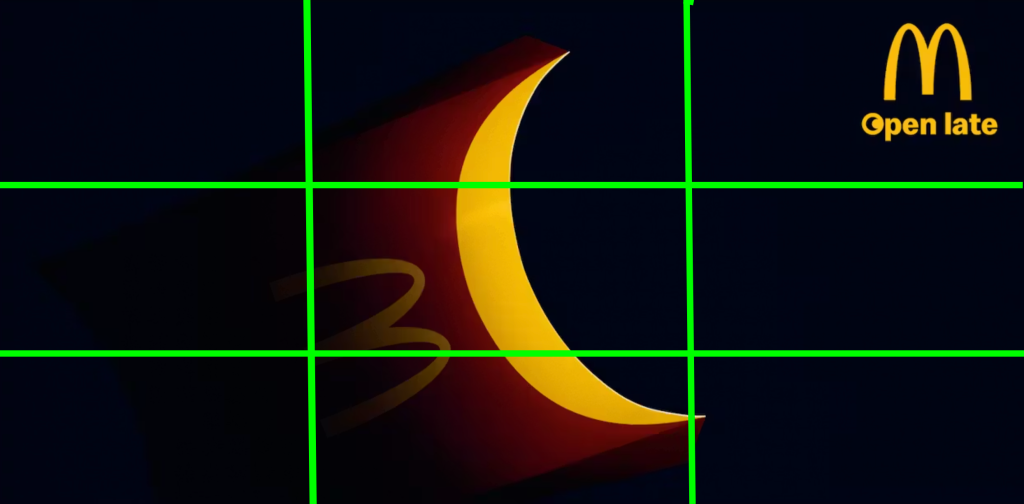
    Open late image showing alignment
    open late ad with arrows showing proximity

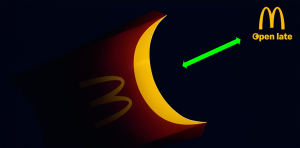
    The crescent-shaped fries container is centrally positioned, acting as the primary focal point due to it’s size and brightness. Secondary alignment directs attention to the top-right corner, where the McDonald’s logo and the phrase “open late” are grouped. This placement shows both a centered and right alignment.

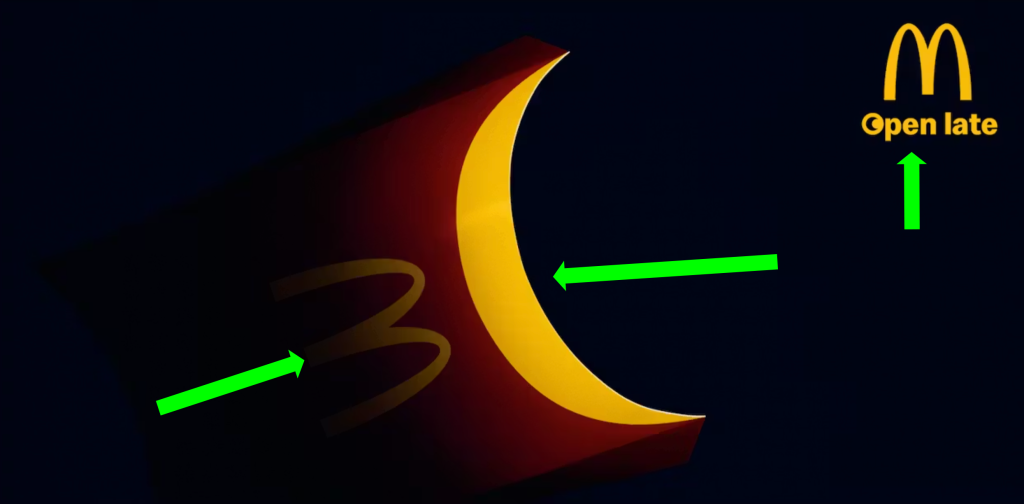
    It also shows proximity of the logo with the main image, reinforcing that they function as a unified message. Meanwhile, the subtle placement of the “M” on the carton visually connects the product to the brand, encouraging viewers to associate the central image with McDonald’s without additional explanation.

    Color and White Space

    Open late ad with arrows showing color

    The ad uses a highly effective color palette built around contrast. The bold use of golden McDonalds-yellow against the deep black background, immediately captures the attention. The contrast not only enhances visibility but also reinforces brand recognition.

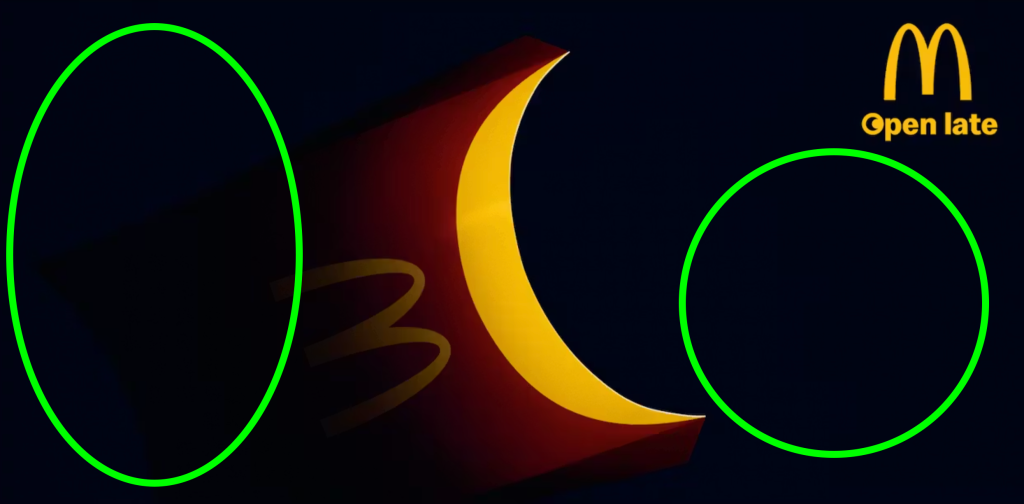
    The good use of negative or white space is equally important. The dark, empty background isolates the central image, preventing distraction and allowing the viewer to focus entirely on the visual metaphor. This minimalism strengthens the message, demonstrating that the concept can be communicated without heavy reliance on text.

    Font and Repetition

    Late night ad showing similar fonts

    The consistent typography used here, reinforces the brand identity. The McDonald’s logo, including the iconic “M” appears both on the fry container and in the logo, creating a visual repetition that strengthens recognition. The “open late” text uses a clean, simple style that aligns with the brand’s established visual language, ensuring clarity. This consistency in typography allows viewers to quickly identify the advertisement as belonging to McDonald’s without needing additional explanation.

    The design uses repetition through the crescent shape, which appears both as the central focal point of the fries container and within the “O” of the word “open”. This visual echo creates a direct connection between the image and the text, reinforcing the late-night theme. By repeating this curve, the designer guides the viewer to associate the moon-like shape with the message. This is a great example of how repetition reinforces the connection.

    Conclusion

    This advertisement successfully applies key principles of graphic design to effectively communicate it’s message. The simple design and message captures the attention and conveys meaning almost instantly.